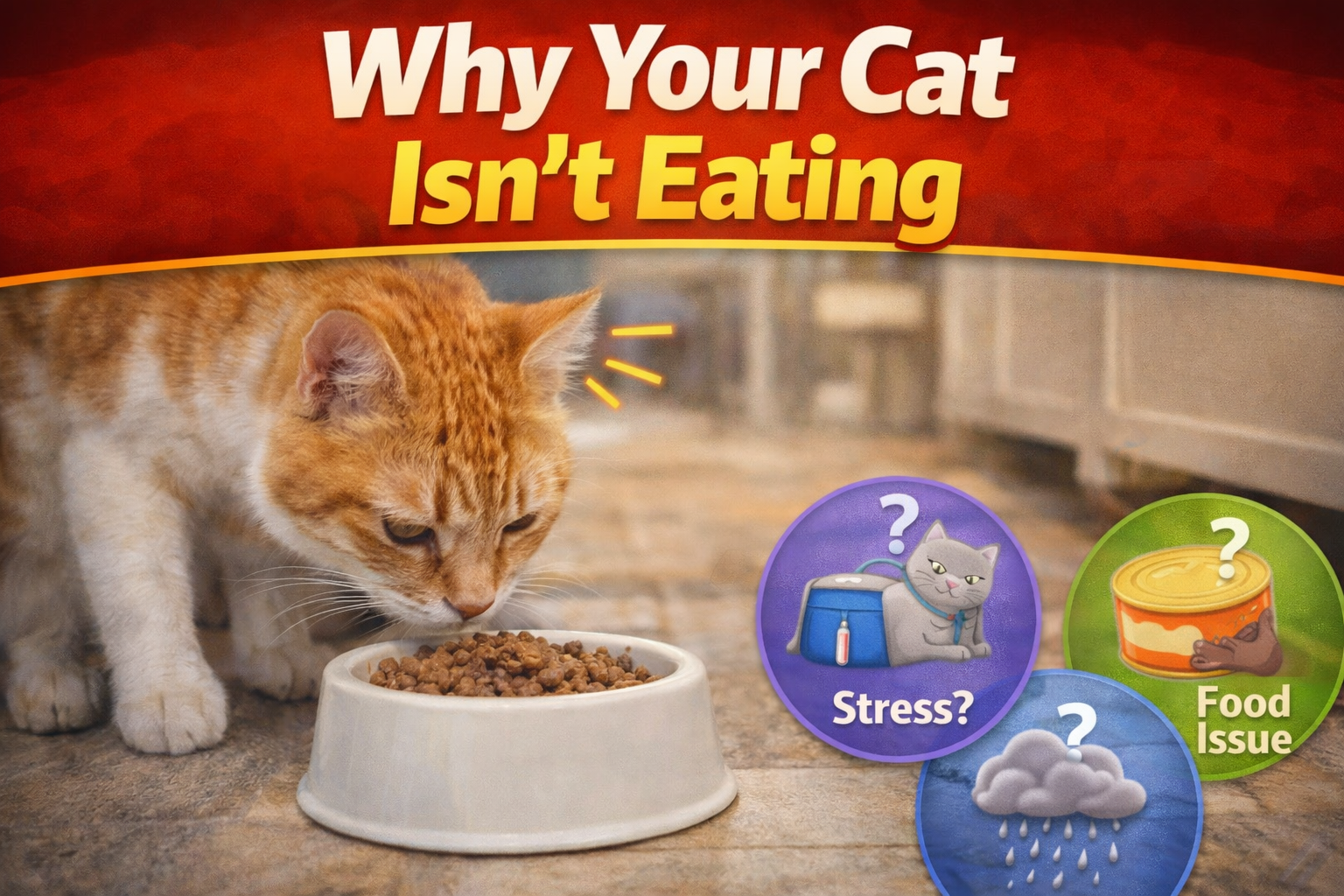
Few things are more worrying to a cat owner than watching their pet turn away from their food bowl. Cats are not known for being dramatic about minor discomforts, which means that when a cat stops eating, it usually means something. Loss of appetite in cats can have many causes — some simple and easily resolved, others more serious.
Stress or Environmental Change
Cats are highly sensitive to changes in their environment, and stress is one of the most common reasons a cat suddenly loses interest in food. A new pet, a new person in the home, a house move, changes in schedule, or even rearranging furniture can disrupt a cat enough to affect their appetite.
If you can identify a recent change that coincides with your cat's reduced eating, stress is a likely factor. Give them time, maintain as much routine as possible, and ensure they have quiet, safe spaces to decompress.
Dental Pain
Dental disease is extremely common in cats. Sore gums, broken teeth, or tooth resorption can make eating painful. A cat in dental pain may approach their food bowl, sniff it with interest, and then walk away. Signs include pawing at their mouth, dropping food while eating, a preference for soft food, drooling, or bad breath.
Illness or Infection
Many illnesses — from upper respiratory infections to kidney disease, liver disease, and cancer — cause appetite loss in cats. An upper respiratory infection can also impair a cat's sense of smell, and since cats depend heavily on smell to stimulate appetite, a stuffy nose alone can put them off their food.
If appetite loss is accompanied by lethargy, vomiting, diarrhea, weight loss, or changes in drinking or urination habits, veterinary attention is needed promptly.
Food Preferences and Whisker Fatigue
Sometimes the cause is simpler. Cats can develop strong preferences and aversions to certain foods. Some cats also experience "whisker fatigue" — discomfort from their sensitive whiskers touching the sides of deep or narrow food bowls. Try a wider, shallower plate and see if it makes a difference.
Medications and Side Effects
If your cat has recently started a new medication, appetite loss can be a side effect. Some antibiotics, pain medications, and vaccines can temporarily reduce appetite. This usually resolves within a day or two.
When to Call the Vet
A cat that goes without eating for more than 24 to 48 hours needs veterinary attention. Unlike dogs, cats can develop hepatic lipidosis (fatty liver disease) surprisingly quickly when they stop eating — especially in overweight cats. This is a medical emergency if left untreated.
Don't wait and hope it resolves on its own if your cat hasn't eaten in more than a day or two. Early intervention almost always leads to better outcomes. Your cat's appetite is one of the most reliable windows into their wellbeing — when it changes, take it seriously.